Identity and self-expression
Makeup allows individuals to express personality, mood, gender identity, creativity, and belonging. Styles can signal subcultures, professions, or social groups.
Rituals and traditions
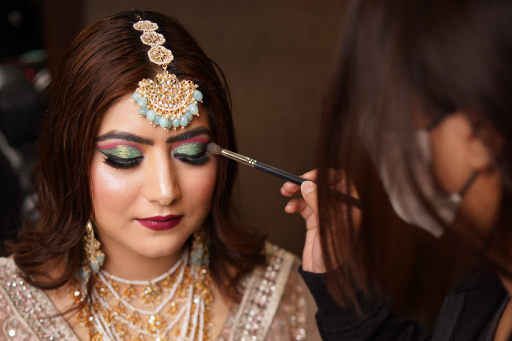
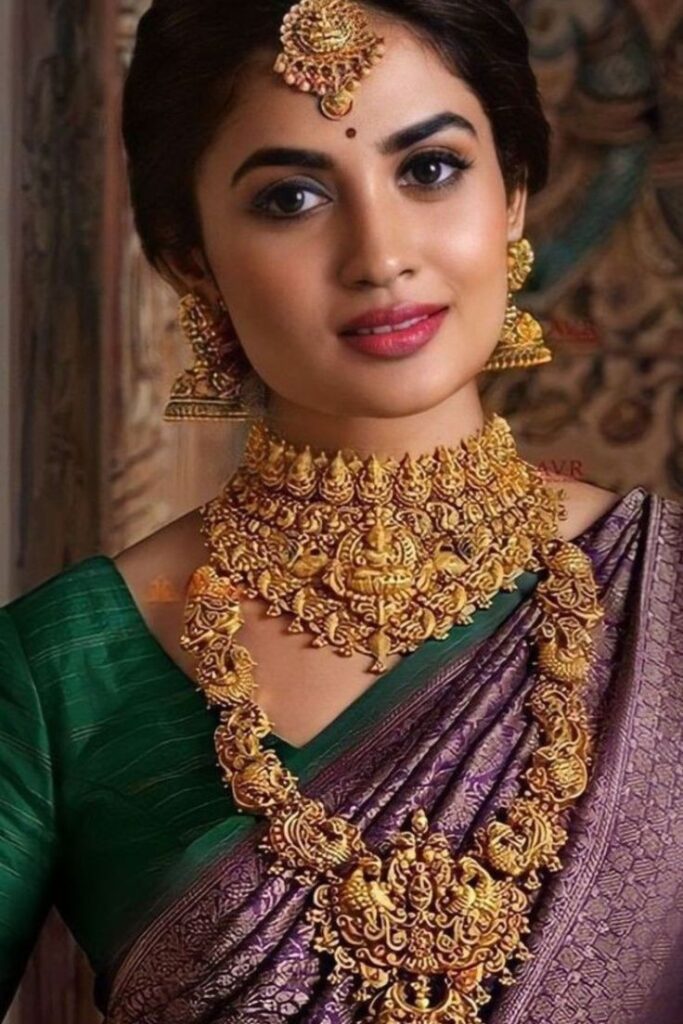
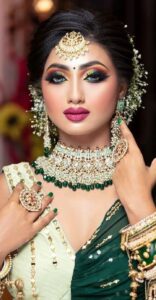
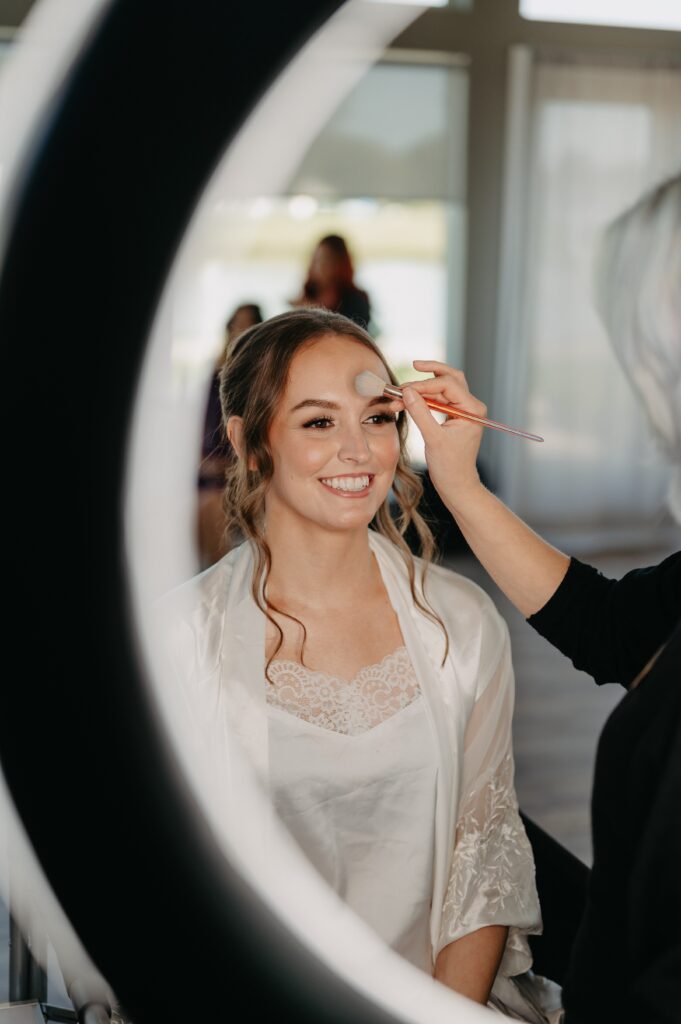
In many cultures, makeup is tied to ceremonies and rites of passage—such as weddings, religious rituals, festivals, or coming-of-age practices. Examples include ceremonial face paint or bridal makeup traditions.
Social status and power
Historically, makeup has indicated class, wealth, or authority. In ancient Egypt, for instance, cosmetics symbolized protection, beauty, and divine connection, while in other eras certain looks were reserved for elites.
Beauty standards and norms
Makeup reflects and shapes cultural ideals of beauty, which vary across time and place. These standards influence how people perceive attractiveness, professionalism, and femininity or masculinity.
Art, performance, and storytelling
In theater, dance, film, and cultural performances, makeup helps convey character, emotion, age, or mythology—such as in traditional Japanese Kabuki or Chinese opera.
Empowerment and resistance
Makeup can be a tool of empowerment, allowing people to reclaim control over their appearance. At the same time, it can challenge norms—for example, when used to blur gender boundaries or reject conventional beauty expectations.
In short, makeup is not just a cosmetic practice; it is a powerful cultural language that communicates values, identity, tradition, and social meaning